Gear List
Don’t worry — you don’t need to own everything here. We provide most gear and offer easy rental options.
What We Provide
Food & Kitchen
- All meals (dinner Day 1 → lunch final day)
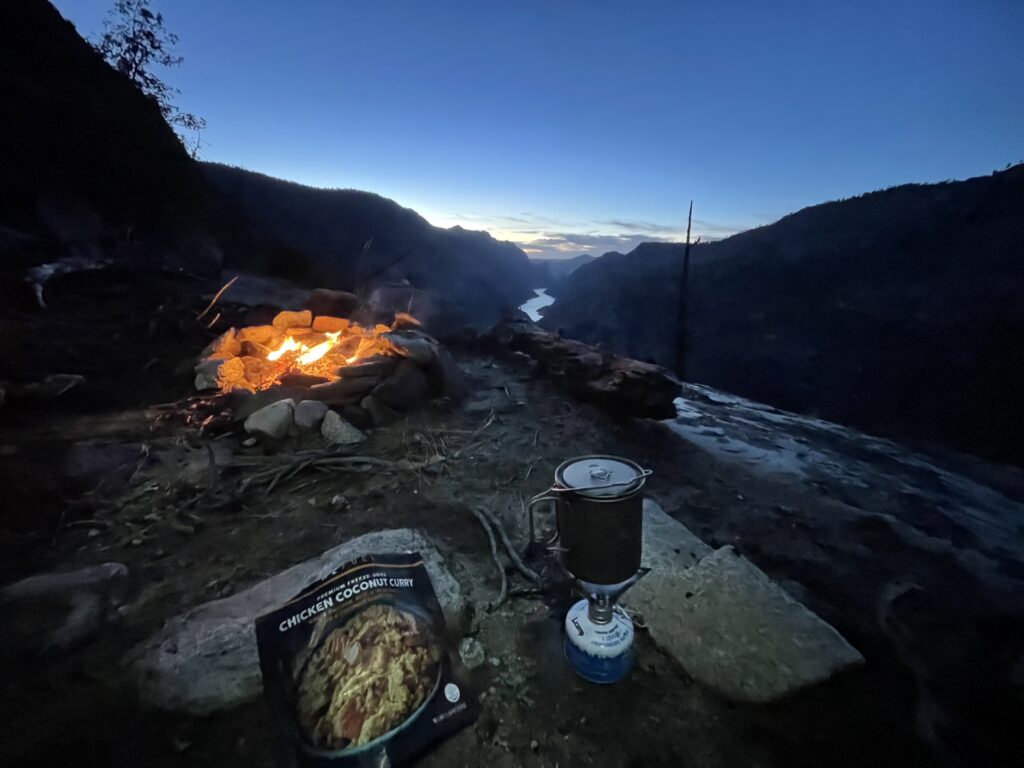
- Group backpacking stove + fuel
- Cook pots, utensils, bowls, mugs
- Water filtration system
Safety & Navigation
- Bear canisters (where required)
- Comprehensive first aid kit
- Garmin inReach satellite communicator
- All required wilderness permits
Additional Gear
- Headlamp
- Bug head net & insect repellent
- Sunscreen
- Water bottles or bladder
We provide these items, but you’re welcome to bring personal favorites.
What You Bring
Core Overnight Gear (or rent from us for $200)
- Backpack (50–65L)
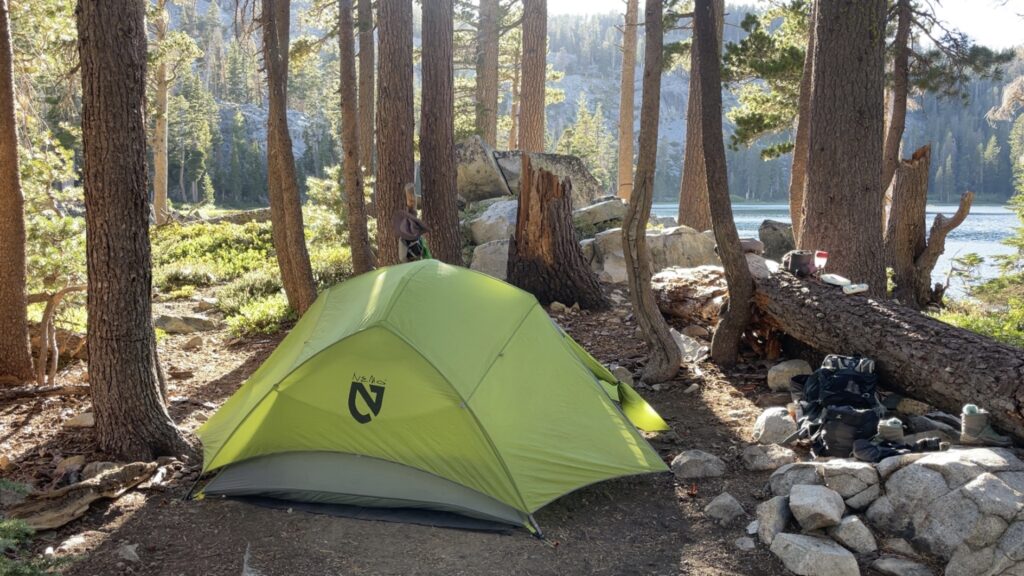
- Tent (3‑season)
- Sleeping bag (rated ~40°F or lower)
- Sleeping pad
Personal Items
- Hiking boots or trail runners (broken in)
- Personal toiletries & medications
- Optional camp shoes
Clothing
- Trip‑specific clothing listed below
- Weather varies by location
Optional Gear Rental Package — $200
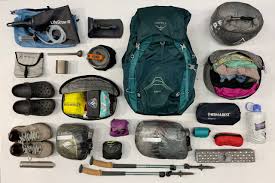
If you don’t have overnight backpacking gear yet, you can rent the four core items from us. Everything else (stove, water filter, cook kit, bear canister, etc.) is already included for all trips.
- Lightweight 3‑season tent (solo or shared)
- Sleeping pad
- Sleeping bag rated ~40°F
- Backpack (50–65L capacity)
You’re welcome to bring any of your own gear and only rent what you need — just let us know at booking.
Complete Packing Checklist
Everything you need for all three California backpacking trips.
Clothing & Warmth
- 4 pairs wool or synthetic hiking socks
- 1 waterproof rain jacket
- 1 puffy or down jacket
- 1 fleece or mid‑layer
- 2–3 moisture‑wicking shirts
- 1 sun shirt (UPF preferred)
- 1 pair hiking pants
- Underwear (no cotton)
- Warm beanie + gloves
- Swimwear
Footwear & Daily Essentials
- Hiking boots or trail runners (broken in)
- Camp shoes or sandals
- 2–3L water capacity
- Daypack or hip‑belt pockets
- Trekking poles
- Sunscreen + lip balm
- Personal medications
- Toiletries & hygiene items
Optional Extras
- Camera or journal
- Battery pack
- Snacks
- Gaiters
- Small dry bag
Leave at Home
- Cotton clothing
- Brand‑new boots
- Heavy or non‑essential items
Packing Tips
Practical advice to help you stay comfortable and enjoy the trail.
Go Light — Every Pound Matters
A lighter pack makes hiking easier and more enjoyable.
- Weigh your bag before the trip
- Skip “just in case” items
- Share gear when possible
Break In Your Boots
Blisters are the most common trip‑ending issue.
- Hike in your boots before the trip
- Use the same socks you’ll hike in
- Address hot spots early
Avoid Cotton
Cotton traps moisture and can lead to dangerous chilling.
- Use wool or synthetic layers
- Check socks, underwear, and shirts
- Merino wool works well for most people
When in Doubt, Leave It Out
If you’re unsure about an item, you probably don’t need it.
- Every pound adds up
- We already provide group gear
- Focus on layers, footwear, and comfort